From the Resene paint and decorating problem solver
Resene light reflectance values are measured from each colour standard using a spectrophotometer and are the CIE Tristimulus Y value (brightness) of the colour.
The approximate light reflectance value (LRV) of an individual colour indicates the proportion of light that a surface reflects compared to the amount of light that falls on that surface. Black has a light reflectance value of 0% and absorbs all light. Surfaces low in light reflectance value are generally very dark and can get very hot (such as the black leather seats in a car). In contrast, white has a light reflectance value of nearly 100% and keeps a building light and cool. All colours fit between these two extremes. A colour with a light reflectance value of 60 (which means it reflects 60% of the light that falls on it) will reflect more light than a colour with a light reflectance value of 30 (which means it reflects 30% of the light that falls on it).
Dark, matt and/or textured surfaces absorb a lot of light and have low light reflectance values. Light, glossy and/or smooth surfaces reflect more of the light that falls on them and have higher light reflectance values.
Similarly, matt surfaces absorb the light and will appear darker and deeper than glossy reflective surfaces. High reflectance light colours and glossy finishes are ideal for rooms you wish to appear larger, however you may prefer to use low light reflectance darker colours, heavier textures and matt finishes in areas such as dining rooms to draw the walls in and make the room seem cosier.
If you have painted a wall with matt paint and find it is too flat you can paint over the top with a clear finish in a higher sheen to increase the light reflectance. If you are going from dark to light or light to dark colours, always view your lighting to ensure your colour doesn't end up too glary or too shaded.
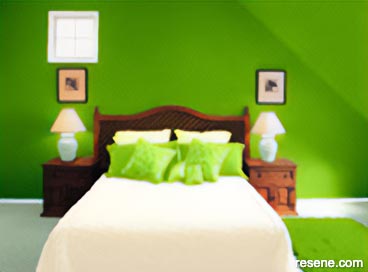
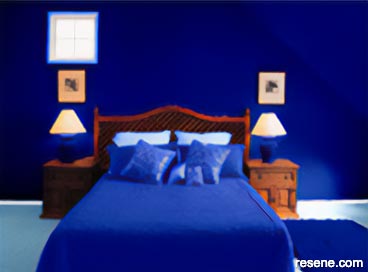
Colours with high light reflectance values such as white will generally last longer than darker colours with low light reflectance values because the light colours reflect some of the sun's harmful energy while the dark colours absorb most of it. Be careful when using very low light reflectance colours on unstable substrates as they can cause warping of the surface. If you are painting over unstable substrates, it is best to use a lighter colour and save the darker low light reflectance colour for accent areas.
Some substrates have a recommended minimum light reflectance value of 40%. Mid to dark colours are not suitable for some exterior substrates and if used may cause damage to the substrate, such as warping, checking and premature failure. Always check with the substrate supplier prior to commencing any work to ensure colour selections fit within their guidelines. Resene also manufactures Resene CoolColour technology and this may increase the colour range that can be suitable over some heat sensitive substrates.
Resene CoolColours™ look the same as standard colours but are formulated to reflect more of the sun's energy than standard colours helping to reduce heat build up, They have better heat and total solar reflectance (TSR) properties. They reflect the same visible light as a standard colour but reflect significantly more heat, keeping the coating, substrate and building cooler.
Click here for information on Total Solar Reflectance and Resene CoolColour technology.
The light reflectance values of Resene colours are listed on Resene colour charts and are available online in the Resene colour library. You can also download an xls file of the Resene colour list sorted by Light Reflectance Value (LRV).
To find colours within a range of light reflectance values, use the Search by Light reflectance value tool below.
Search By Reflectance Value:

Resene Nero
Light reflectance value =
14

Resene Hero
Light reflectance value =
69

Resene Spanish White
Light reflectance value =
71
Light reflectance values are particularly difficult to determine from semi–transparent finishes such as wood stains. Light travelling through these finishes gets absorbed and/or is reflected by the underlying timber. A stain applied over Pine will also have a substantially higher light reflectance value than the same stain applied over a darker timber like Kwila. This is why there is not a standard light reflectance value provided for wood stain colours.
See Architects memo 87 – ‘on reflection’ and and the LRV webinar slides for more information on light reflectance values.
Resene Paint and Decorating Problem Solver
Learn more about typical painting problems and situations you may find when decorating.
 Get inspired ! Subscribe Get saving ! Apply for a DIY card

Can't find what you're looking for? Ask us!


Company profile | Terms | Privacy policy | Quality and environmental policy | Health and safety policy
Colours shown on this website are a representation only. Please refer to the actual paint or product sample. Resene colour charts, testpots and samples are available for ordering online. See measurements/conversions for more details on how electronic colour values are achieved.
What's new | Specifiers | Painters | DIYers | Artists | Kids | Sitemap | Home | TOP ⇧